Author: Jay Ruud
Aldous Huxley’s “Brave New World”
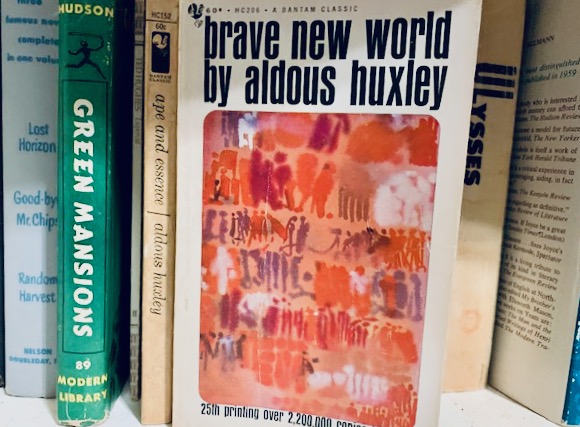
Aldous Huxley came from a privileged background: he was the grandson of Thomas Henry Huxley, famous Victorian biologist and agnostic spokesman (known as “Darwin’s bulldog”), and on his mother’s side was the great nephew of the famous Victorian poet and critic Matthew Arnold, and with that pedigree graduated from Balliol College, Oxford. By 1932 he… Continue reading Aldous Huxley’s “Brave New World”
Ernest Hemingway’s “A Farewell to Arms”
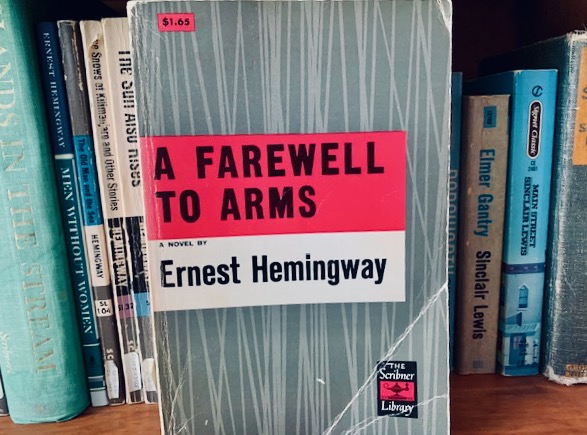
Ernest Hemingway was the most influential American novelist of the twentieth century. I’m sure some people might beg to differ, but I don’t think their objections would be completely serious. Sure he’s fallen somewhat out of fashion due to his machismo chest-beating and well-publicized misogyny. For which defects in his character a lot of people,… Continue reading Ernest Hemingway’s “A Farewell to Arms”
Miller Oberman’s “The Centaur”

Emily Dickinson’s “I Felt a Funeral in My Brain”

Louise Glück’s ‘Epithalamium’

Joseph Heller’s “Catch-22”
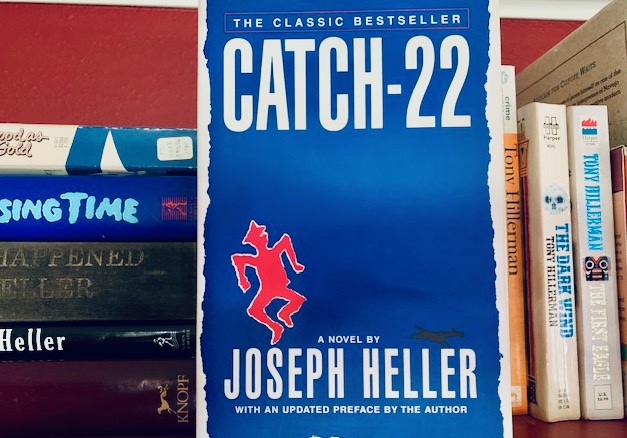
I’ve always said, and every right-thinking person should agree, that Catch-22 is the greatest American novel of the post-war period (that’s World War II if you’re counting), and the greatest of all post-modern novels. Recent decades have shown that a significant number of readers and critics agree with me, at least with assigning a classic status to… Continue reading Joseph Heller’s “Catch-22”
Nathaniel Hawthorne’s “The Scarlet Letter”
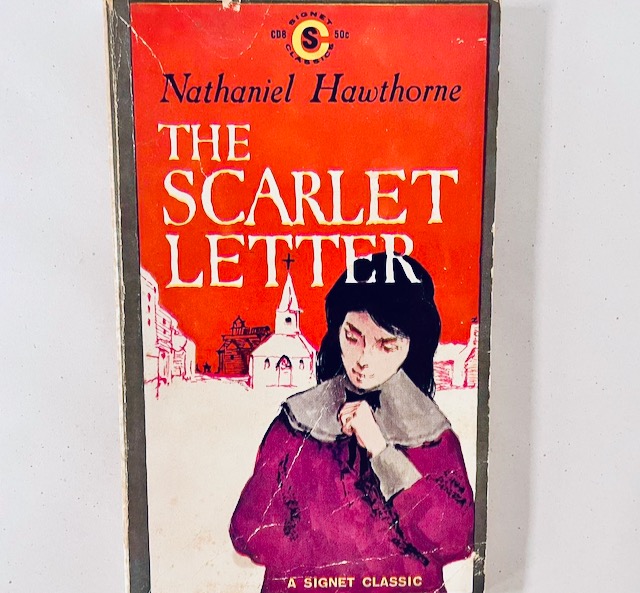
The Scarlet Letter has been a staple of high school English classes since the late nineteenth century. It was the sixth most frequently taught book in the last decades of the twentieth century, and even though in the twenty-first century the traditional literary canon has been largely replaced by more contemporary works by writers of varied… Continue reading Nathaniel Hawthorne’s “The Scarlet Letter”
Thomas Hardy’s “Tess of the D’Urbervilles”
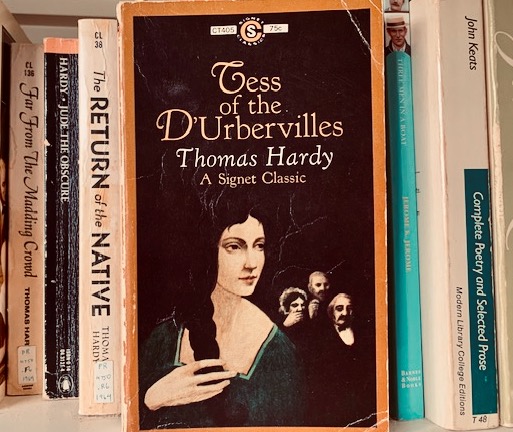
Thomas Hardy, who always thought of himself first as a poet, was nevertheless the most important novelist of late Victorian England. Dickens had died in 1870. George Elliott, Hardy’s great precursor as a Victorian realist, had died in 1880, and it is Hardy whose novels shine brightest in the last two decades of Britain’s nineteenth… Continue reading Thomas Hardy’s “Tess of the D’Urbervilles”