

There are a number of strong voices that don’t want you—or me—to read Alice Walker’s best-known novel, The Color Purple. The American Library Association lists it among the 100 most often banned or challenged books in the U.S. in the decade 1990-99 (17th), 2000-09 (17th), and 2010-19 (50th), and shows it cracking the top ten in… Continue reading Alice Walker’s “The Color Purple”
Author: Jay Ruud
Michael Hettich’s “The Angels”

Edward Arlington Robinson’s “Miniver Cheevy”

Christina Rosetti’s “Echo”

Jericho Brown’s “Aerial View”

William Butler Yeats’ “When You Are Old”

Kurt Vonnegut’s “Slaughterhouse-Five”
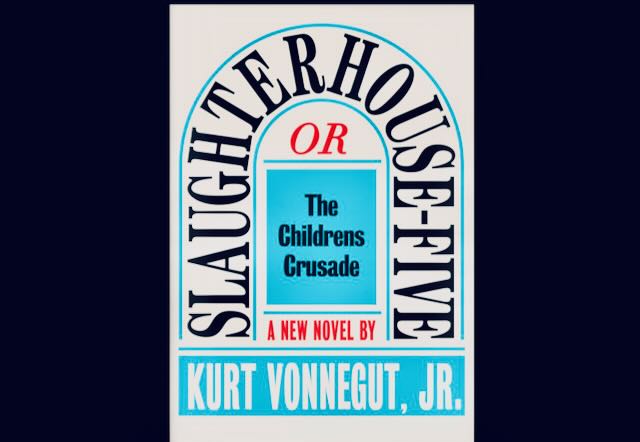
On the title page of Kurt Vonnegut’s modern classic Slaughterhouse-Five, or The Children’s Crusade, Vonnegut remarks that the novel is “somewhat in the telegraphic schizophrenic manner of tales of the planet Tralfamadore.” This means nothing to you as you read the title page, but as you get into the book and it strikes you how there… Continue reading Kurt Vonnegut’s “Slaughterhouse-Five”
John Updike’s “Rabbit Run”
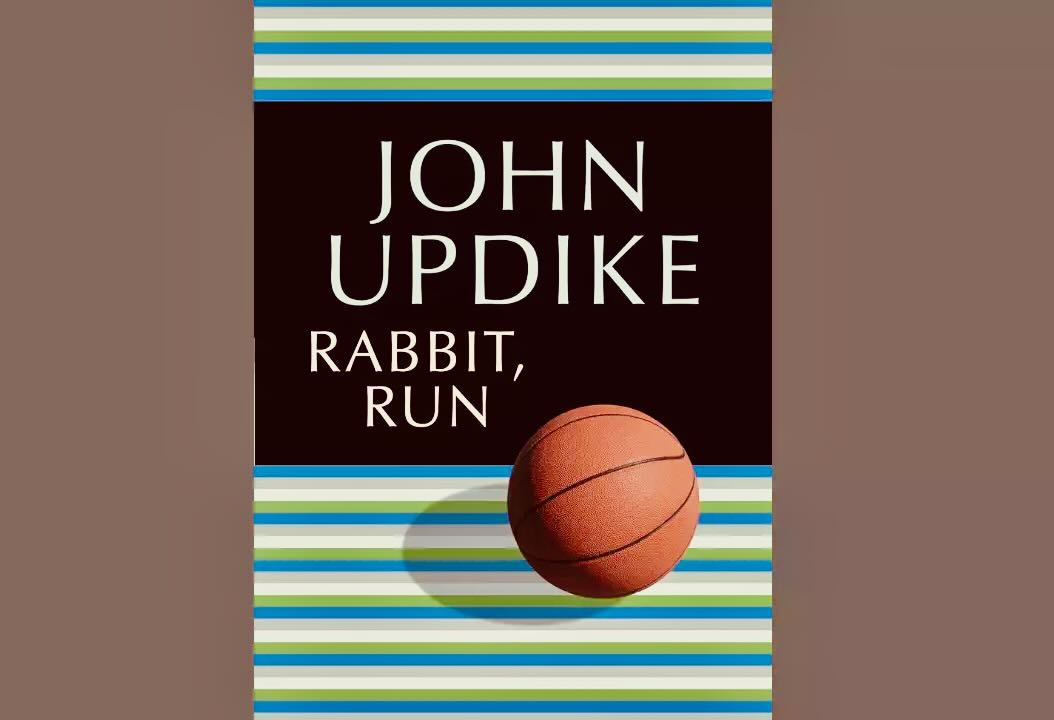
“[L]ooking around me at American society in 1959,” John Updike once said in an interview, he could observe “a number of scared and dodgy men….This kind of man who won’t hold still, who won’t make a commitment, who won’t quite pull his load in society, became ‘Harry Angstrom.’ I imagined him as a former basketball… Continue reading John Updike’s “Rabbit Run”
Mark Twain’s “The Adventures of Huckleberry Finn”
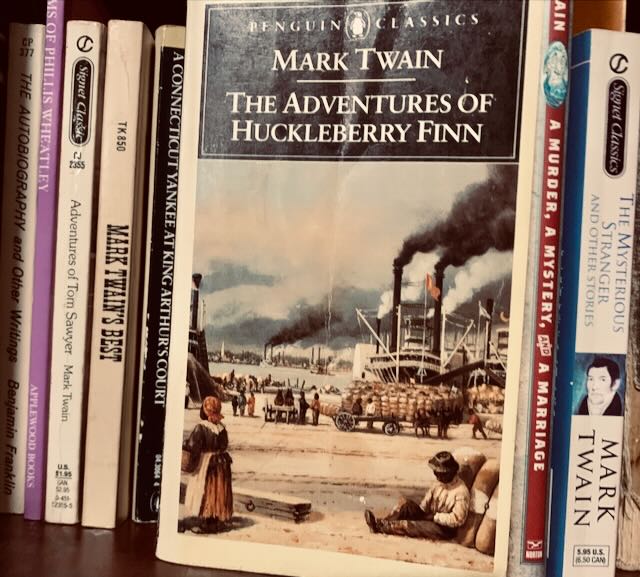
No less an author than T.S. Eliot, writing his introduction to an edition of Huckleberry Finn in 1950, said The Adventures of Huckleberry Finn is the only one of Mark Twain’s various books which can be called a masterpiece. I do not suggest that it is his only book of permanent interest; but it is the only one… Continue reading Mark Twain’s “The Adventures of Huckleberry Finn”
Anthony Trollope’s “The Way We Live Now”
Anthony Trollope never met an 800-page novel he didn’t like. Like Dickens and other Victorian novelists, Trollope wrote many of his novels for periodical publication, and so they were first published one section at a time—and the more serial installments, the more the writer was paid. When those novels were published in book form, they… Continue reading Anthony Trollope’s “The Way We Live Now”